Anthropic has responded to allegations that its AI chatbot Claude is intentionally undermining certain tasks. The company says the accusations are unfounded and that Claude operates according to standard language‑model training procedures. Anthropic emphasized that it continuously monitors the model for harmful behavior and has no built‑in mechanisms to sabotage user work.
A new study using a former OpenAI monitor built on GPT‑5.4 showed that under standard attack scenarios the monitor missed only 0.2‑0.5 % of harmful actions, but when researchers employed optimized sabotage methods the miss rate jumped to nearly 23 %. The UK AI Security Institute argues that these simulated sabotage tests may not reliably predict how monitors will perform in live deployments. The results call into question the current safety‑testing practices that AI companies rely on to keep agents in check.
Apple sued OpenAI earlier this summer over alleged contract violations. In response, OpenAI has filed a countersuit claiming Apple illegally pressured its vendors to restrict access to OpenAI’s services. The complaint asserts that Apple leveraged its dominant position in the App Store ecosystem to disadvantage a competing AI provider. The dispute adds another chapter to the growing legal battles shaping the AI industry.
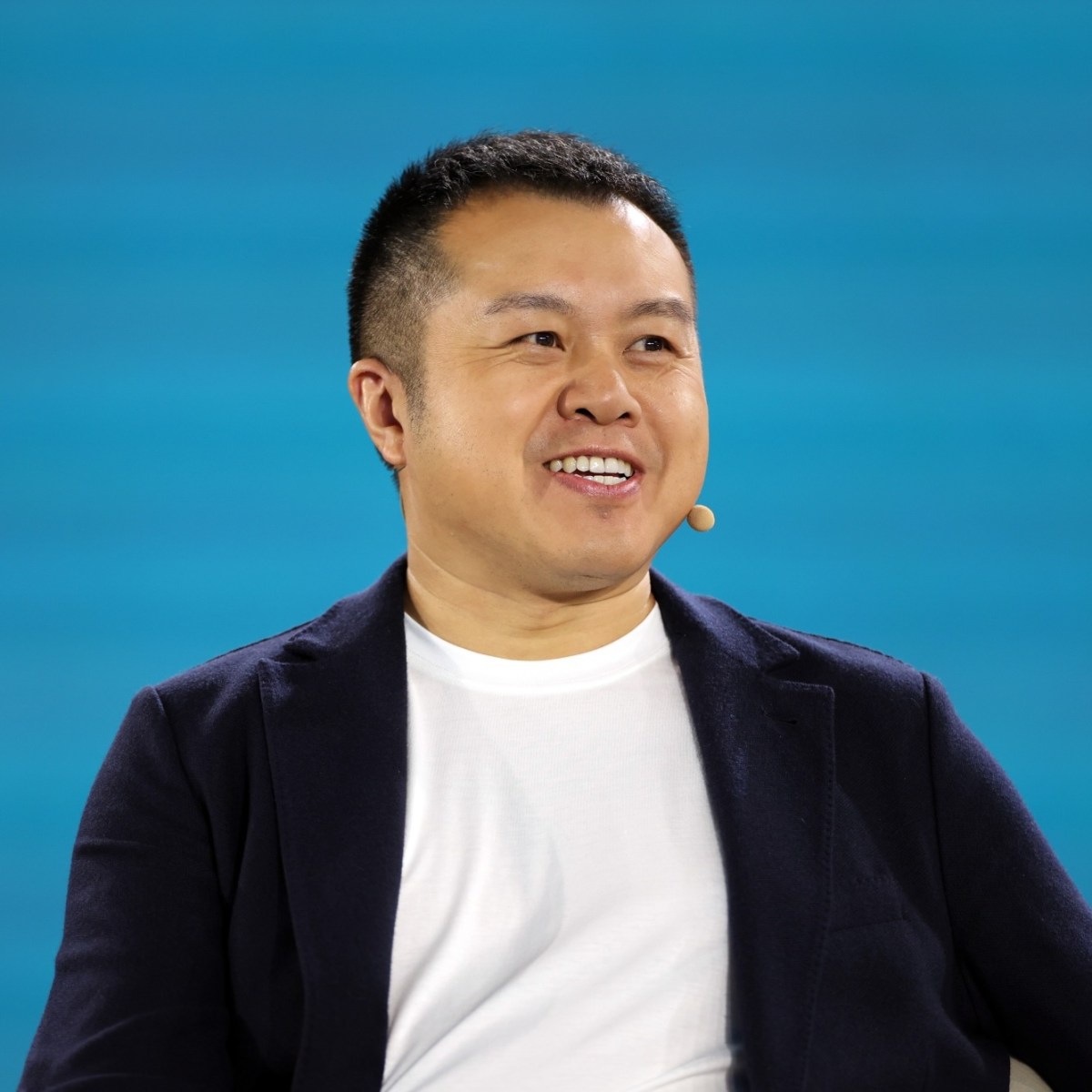
Sakana AI’s chief executive emphasized that the company’s domestically developed AI models are intended to strengthen Japan’s industrial edge rather than serve solely as a national‑security measure. The firm is focusing on building AI capabilities within the country to enhance competitiveness across sectors. By keeping the technology in‑house, Sakana AI hopes to reduce reliance on foreign AI services and foster a local ecosystem for AI development.
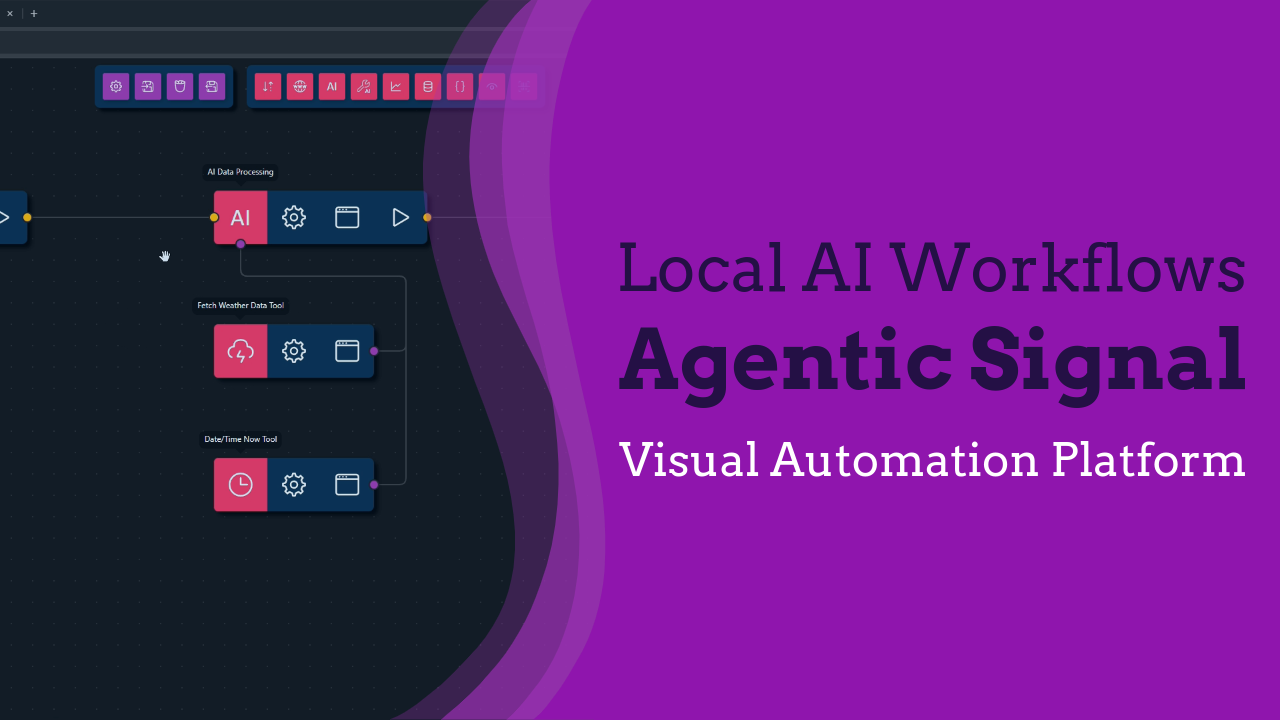
A new open‑source project called Agentic Signal was announced on Hacker News. It provides a node‑based interface for assembling AI agents, enabling developers to design workflows visually. The framework can execute these agents on locally hosted language models, giving users full control over data and compute. The code is hosted on GitHub and currently has limited community feedback, with no benchmark or pricing details disclosed.
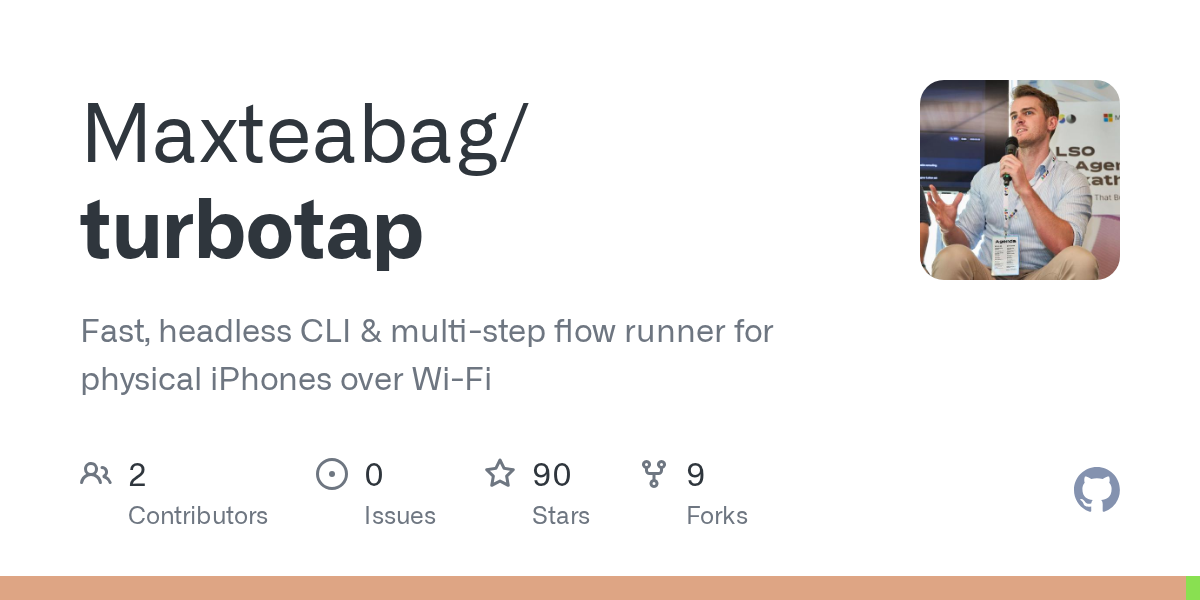
Turbotap is a free, open‑source command‑line interface that lets AI agents drive a real iPhone via Wi‑Fi using Apple’s WebDriverAgent framework. By installing WebDriverAgent on a developer‑mode iPhone and patching it for speed, Turbotap lets scripts and LLMs interact with any iOS app—even those without web, MCP, or API interfaces. The tool runs headlessly from a Mac or Linux machine on the same network and requires Xcode for signing and USB installation. Its GitHub repository (MIT‑licensed) provides the code and usage instructions.
DeepMind tested 18 leading AI models with a new reliability benchmark called "Humanity's First Exam." The best models answered at least one question correctly in each task family, but even top systems such as OpenAI's GPT‑6.2 Astra could not achieve 16 consecutive correct answers. Visual perception errors made up roughly 73 % of the failures, and allocating more compute time did not improve the results.
OpenAI is constructing a new data platform, codenamed Athena, that adds a semantic layer to its ChatGPT Work data agents. The layer supplies standardized definitions for business metrics, aiming to improve the agents' accuracy and cut down on guesswork when handling data queries. By providing consistent metric vocabularies, Athena could position OpenAI as a direct competitor to established data‑warehousing services such as Snowflake and Databricks. The announcement did not include benchmark figures, licensing details, or pricing information.
Nvidia has instructed its manufacturing partners to halt deliveries of server chips to Malaysia, Singapore, Thailand and Indonesia. The move follows increased pressure from the United States to prevent advanced AI hardware from reaching China. By pausing shipments to these Southeast Asian countries, Nvidia aims to comply with tighter export controls. The decision reflects the broader geopolitical tug‑of‑war over AI technology supply chains.